Wine rating systems and renowned critic favorites
Wine rating systems and renowned critic favorites
May 15, 2024
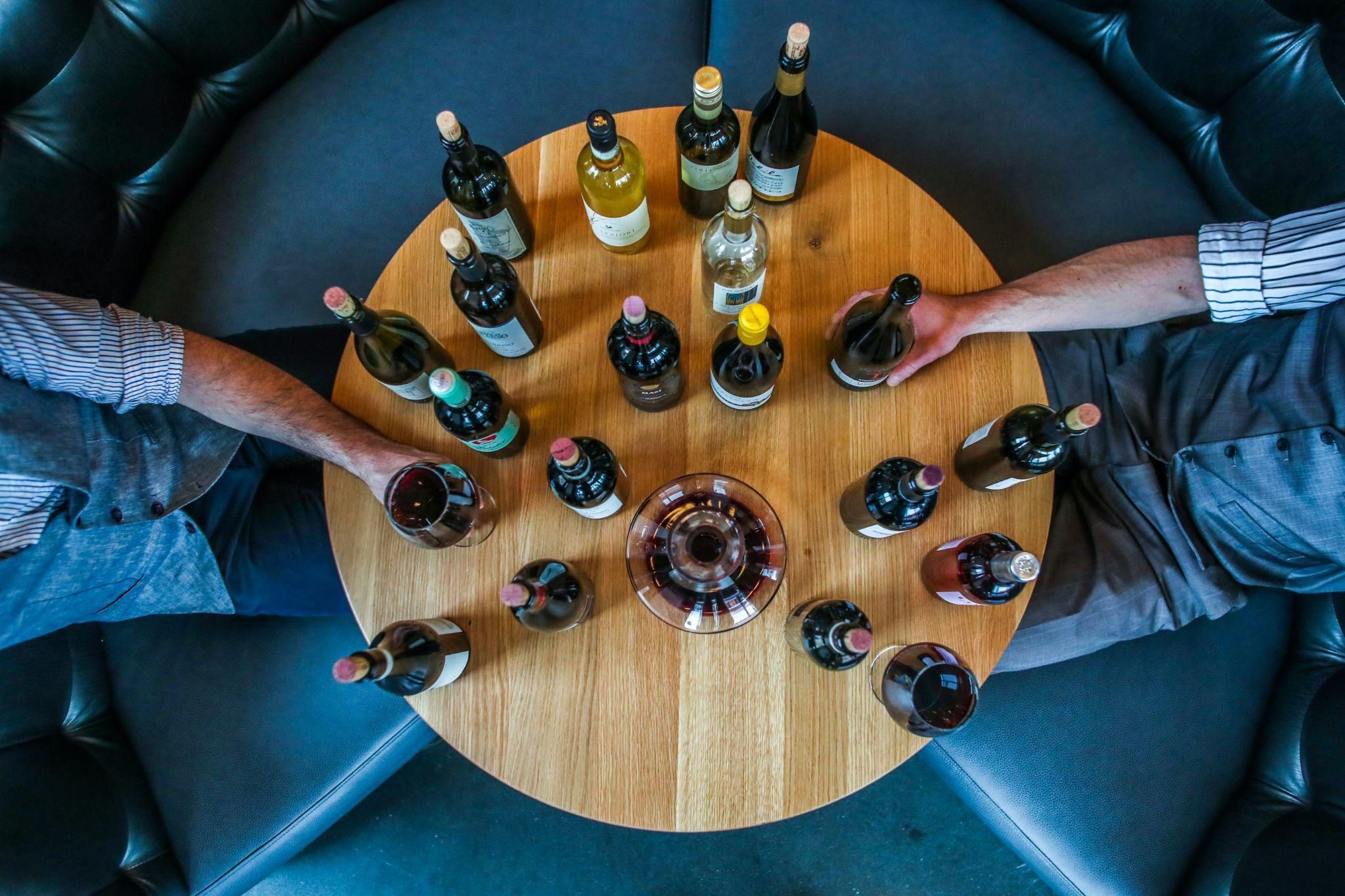
Wine critics' analyses are grounded in years of sensory experience and technical knowledge, resulting in a rating system that helps differentiate everyday wines from fine and rare wines. The ratings assigned by critics are crucial for producers as they help increase the reputation and demand for their wines. On the other hand, consumers rely on these ratings to make informed decisions about their purchases, seeking to ensure a satisfactory experience and even to facilitate their wine investment choices.
So, how are these ratings determined, and how do they impact the wine market?
Different wine rating scales
The scales and rating systems range from simple to complex, as seen in the example below. Each wine critic has their own favorite way of rating fine wines, but all analyze a wine by respecting its history, its terroir, and of course, the history of its region. The vintage is one of the most important aspects to consider since it's influenced by the climate that year, which eventually has a take on wine complexity and flavor. More about it later on.
Rating up to 20
| Points | Meaning |
|---|---|
| 20 | Exceptional Wine |
| 19 | Notable Wine |
| 18 | Excellent Wine |
| 17 | Great Wine |
| 16 | Very Good Wine |
| 15 | Good Wine |
| 14 | Regular Wine |
| 13 | Slightly unbalanced or minor flaws |
| 12 | Unbalanced or with serious flaws |
The 20-point table generally does not go below 12, and from 14 onwards, the wine can be considered at least interesting. The rating up to 20 was used for a long time by most critics; currently, it is still used by Jancis Robinson.
Rating up to 100
Other critics opt for a more comprehensive scale, where wines are rated from 0 to 100. This scale allows for a more precise and detailed evaluation, taking into account various aspects, from aroma and taste to the structure and complexity of the wine. This scale is popularized by renowned critics such as Robert Parker and Wine Spectator.
| Points | Meaning |
|---|---|
| 95 - 100 | Exceptional Wine |
| 90-94 | Excellent Wine |
| 85-89 | Very Good Wine |
| 80-84 | Good Wine |
| 75-79 | Regular Wine |
| 50-74 | Not Recommended Wine |
Scale of the Gambero Rosso Guide
In addition to traditional ratings, there is a unique scale used by the Gambero Rosso Guide, the main wine critic source in Italy, known as "Tre Bicchieri" (Three Glasses). In this system, wines are classified with one, two, or three glasses, representing excellent, exceptional, or extraordinary quality. This scale is highly respected and widely recognized. A great example of this award is a Grand Vin, a Swiss gem, Castello Luigi Rosso del Ticino 2019, that was honored with Tre Bicchieri in Q3 2023 and is one of the numerous investment options available in our portfolio.
Some factors a wine critic will consider in their evaluations
When wine critics evaluate a wine, they take into consideration a series of factors that can influence the quality and tasting experience. These factors range from essential sensory characteristics such as aroma and taste to more advanced attributes such as complexity and balance, and finally, taking under consideration the vintage and heritage.
Aroma
Aroma is a fundamental part of the wine-tasting experience. Critics assess the intensity, diversity, and quality of the aromas present in the wine. This can include a wide variety of aromatic notes, such as fresh and ripe fruits, flowers, spices, herbs, mineral notes, and oak notes, among others.
Taste
Taste is another vital aspect to consider. Critics analyze the intensity and levels of flavors, as well as the harmony between them. They look for balanced and well-integrated flavors, free from defects. Additionally, they evaluate the persistence of taste, i.e., how long the flavors linger in the mouth after tasting.
Complexity
Complexity relates to the depth of aromas and flavors present in the wine. Critics seek wines that offer a rich and varied sensory experience, with multiple layers of aroma and flavor that develop and transform throughout the tasting.
Balance
Balance is the key to a successful wine. Critics look for wines in which different components, such as acidity, tannins, and alcohol, are harmoniously integrated and in proper proportions.
By considering these factors together, critics are able to provide a comprehensive and detailed assessment of the quality and character of a wine.
Vintage
Within the universe of wine criticism, the year the grapes were harvested is a crucial factor in evaluating the quality and character of a wine. The vintage is considered, by some, as the expression of terroir according to the factors that influence the growth and development of the grape, given that climatic conditions vary from year to year.
Heritage
The soul of wine, the heritage, is a crucial part of the analysis, acknowledging that the tradition and legacy of a property, and even the region of origin of the wine, enrich the tasting experience and add value to the wines.
Region and its Terror
The region of origin and its terroir play a fundamental role in defining the characteristics and quality of the beverage. Each area has a unique terroir, and wines will reflect the characteristics of the environment in which they are produced.
Renowned wine critics and their personal favorites
Robert Parker Jr.:Known for his 50-100 point scale, patented in the 1970s, Parker prefers full-bodied, rich red wines with intense fruit concentration and structured tannins. His favorites include wines from Bordeaux and Napa Valley. For instance, he awarded the 2019 Château Cheval Blanc a perfect 100, praising its depth, intensity, and aging potential. He suggests this fine wine will peak after 2027.
James Suckling: Suckling enjoys intense wines with ripe fruits and pronounced flavors, particularly from Tuscany and Douro Valley. He also gave the 2019 Château Cheval Blanc a 100, noting aromas of black cherries, cassis, graphite, and earth. He describes this vintage as one of the best he has ever tasted.
Jeb Dunnuck: Specializing in Rhône Valley and California wines, Dunnuck appreciates structured, expressive wines. He likens the 2019 Château Cheval Blanc to the 1990 vintage, highlighting its red currant, tobacco leaves, leather notes, elegant structure, and aging potential. He values wines with exceptional quality-price ratios and is recognized for discovering emerging small producers.
Impact of Critics' Ratings
High ratings from esteemed critics like Parker, Suckling, and Dunnuck can significantly increase a wine's demand and value. The limited supply drives up prices, offering investors potential value appreciation. Our portfolio features highly rated wines by these critics, ensuring quality and investment potential.