The Art of Fine Wine: terroir, history, and talent united
At the heart of the fascinating world of wine lies the grand wines, true treasures of viticulture. Their essence is a harmonious fusion of three essential elements: terroir, history, and the talent of winemakers. Together, these elements create liquid masterpieces that transcend time and tell stories deeply rooted in the land and tradition. Let’s delve into this rich universe where each bottle is a sensory and cultural adventure, celebrating the quintessence of wine.
Exploring Grand Vin terroir elegance, historical depth, and winemaking talent
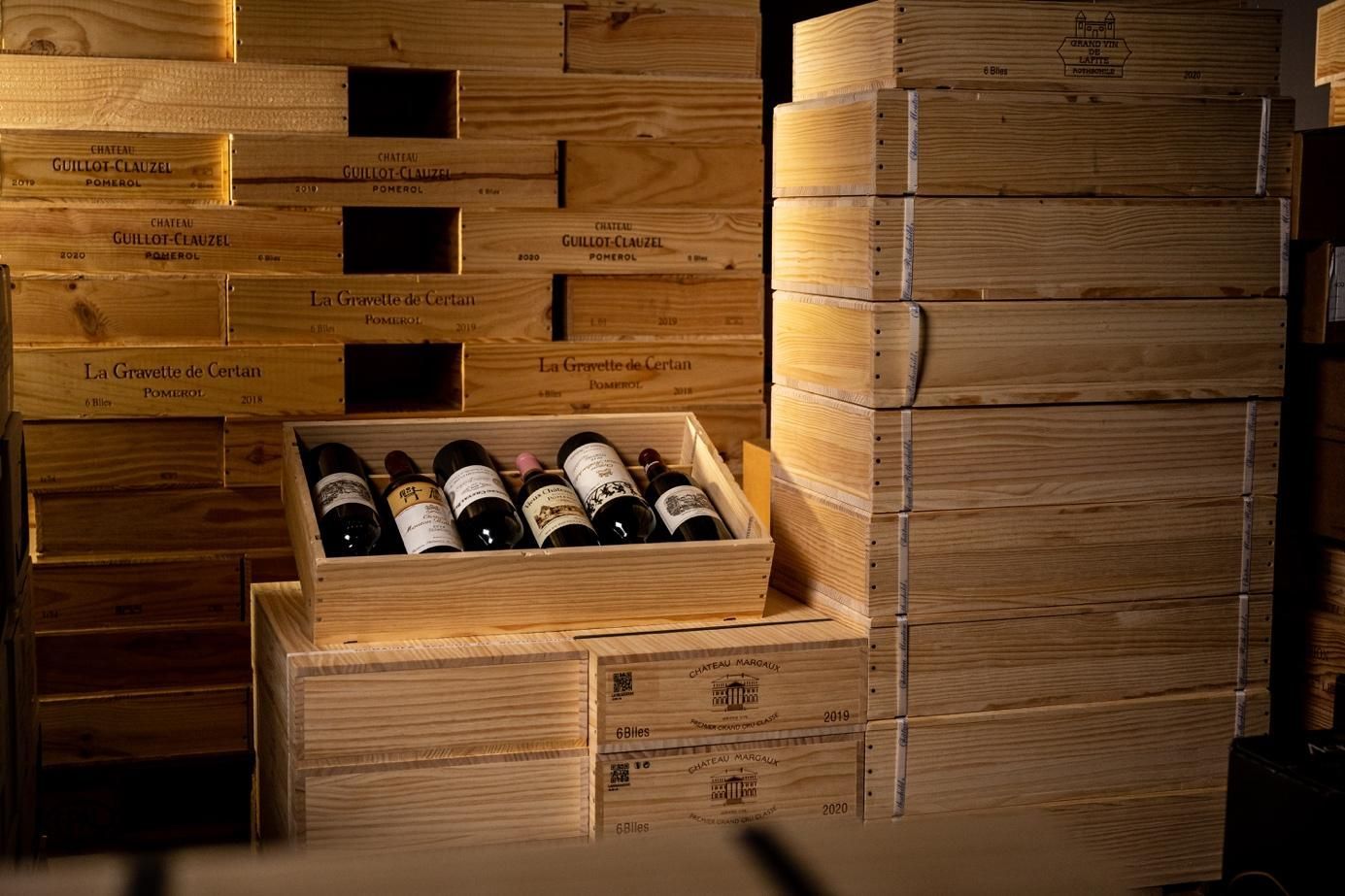
The world of wine is a rich and complex realm where each bottle tells a unique story. Some of these narratives stand out like stars in the wine galaxy –the Grands Vins. But what makes a wine Grand? It’s essential to dive into the depths of terroir and celebrate the talent of the winemakers who transform a simple grape cluster into a liquid masterpiece. Look at this OWC with an excellent selection of Vieux Château Certan, Château Cheval Blanc, and Château Lafite Rothschild.
Terroir: the soul of wine
Terroir, a French word with no exact English
equivalent, is at the core of understanding wine. It
encompasses geographical, geological, and climatic factors
that influence grape growth. Every wine region
has its terroir, giving rise to an infinite diversity
of wines. Terroir is the soul of wine, its
personality, and its unique character.
Soil is one of the main components of terroir.
Different soil types, such as limestone, clay, schist,
or granite, impart distinct characteristics to grapes.
For example, limestone can bring a distinctive
minerality, while clay can give the wine a softer
texture. Vine roots draw their essence from these
soils, absorbing minerals that will influence the
wine’s final flavour.
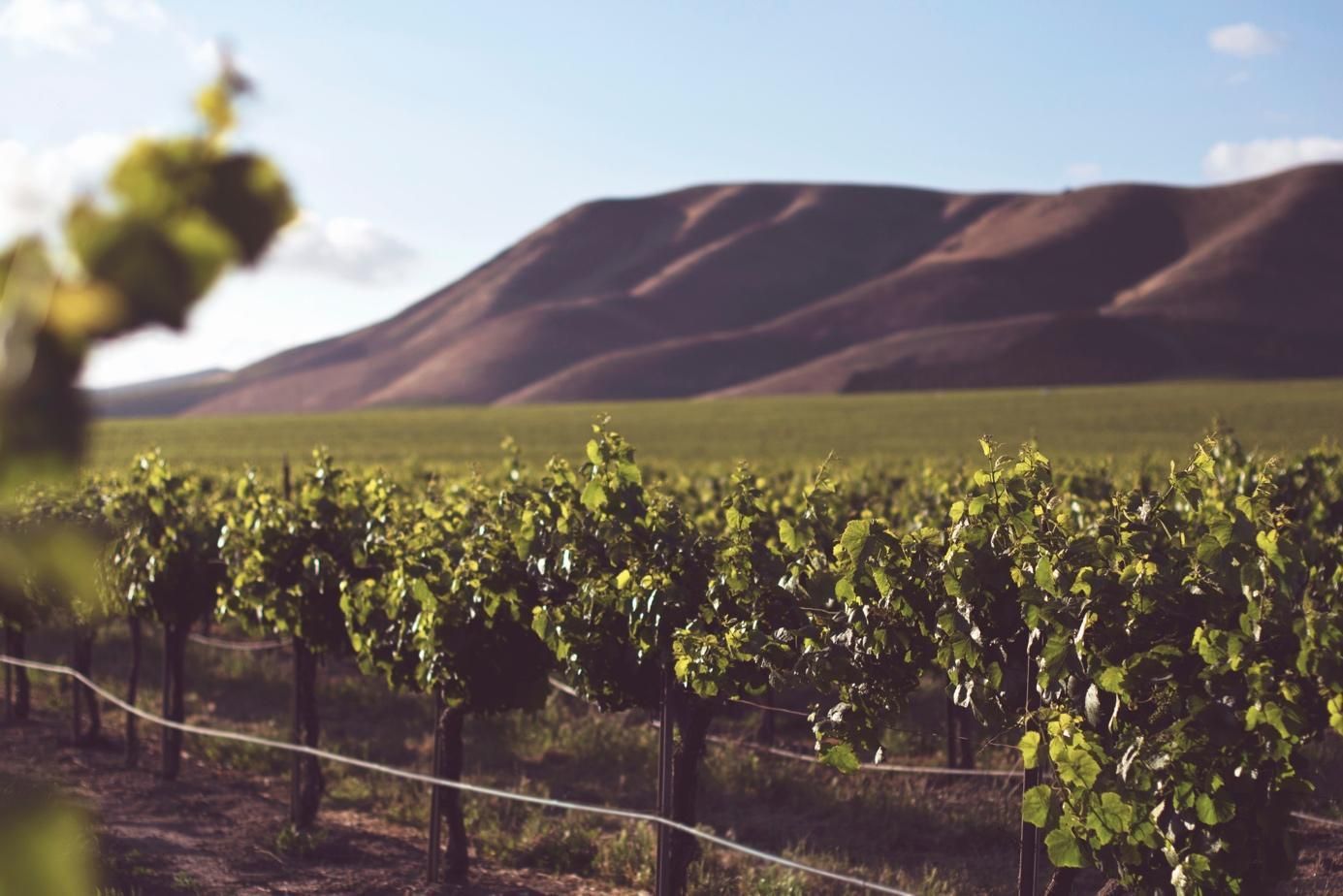
Climate is another major factor of terroir.
Temperature variations, sunlight, and precipitation
differences from one region to another significantly
impact grape maturation. Cooler climates can produce
more acidic and elegant wines, while warmer climates
can produce richer and bolder wines. The specific
microclimate of a vineyard, often shaped by local
topography, can also play a crucial role.
Finally, we should also notice other terroir aspects
like topography, altitude, and sun exposure. A
vineyard situated at a higher altitude benefits from a
more significant day-night temperature variation,
which can enhance grape aromatic complexity.
Similarly, a southern exposure can offer better grape
maturation. A great example would be the wine
selection from Salicutti in Italien.
 | History: the memory of wineA Grand Vin is much more than a mere
agricultural product. It carries the history
of the vine, the vineyard, and sometimes even
an entire region. Some wineries have centuries
of history behind them, passing down ancestral
knowledge from generation to generation. A
perfect example would be the wines from Domaine Trapet. These traditions and accumulated experience
are precious and can be found in every bottle. |
History: the memory of wine
A Grand Vin is much more than a mere agricultural product. It carries the history of the vine, the vineyard, and sometimes even an entire region. Some wineries have centuries of history behind them, passing down ancestral knowledge from generation to generation. A perfect example would be the wines from
Time also plays a significant role in creating grand wines. Aging in oak barrels or bottles allows the wine to develop additional aromas and complexity. It’s a slow, meticulous transformation that gradually reveals the wine’s depth.
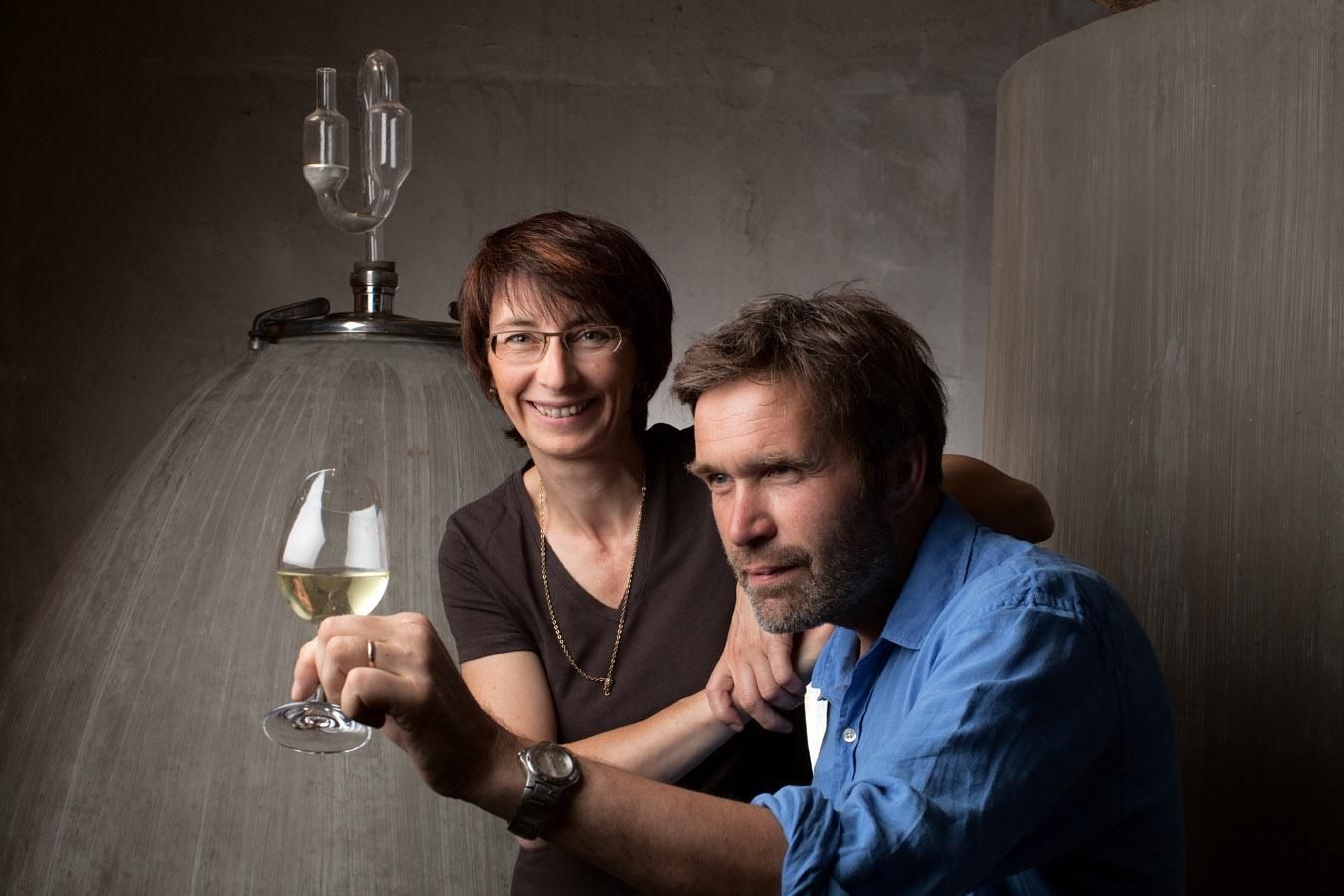
Winemakers’ talent: the art of creation
Terroir and history provide the backdrop, but the
talent of winemakers transforms grapes into liquid
art. Winemakers are artists, chemists, and alchemists.
They make crucial decisions at every stage of the
winemaking process.
Work in the vineyard from January 1st to December
31st, the harvest – the birth of wine, grape variety
selection, blending, fermentation, aging – everything
is meticulously studied to achieve the perfect
balance. Experienced winemakers have a keen
sensitivity to grape nuances, a deep understanding of
their terroir’s potential, and know how to unlock it
in the wine. Their talent is evident in their ability
to make informed decisions, be patient, and respect
nature. A great winemaker knows when to intervene and
let nature take its course. They are the custodians of
the wine heritage, passing down their expertise from
generation to generation.
The Value of Grand Wines: the pursuit of excellence
The question of the value of grand wines is
inevitable. Why are these bottles so coveted and
sought after? Several factors explain this reality.
Firstly, the production of Grands Vins is often
limited. Yields are reduced to ensure quality, which
means fewer bottles are produced. Additionally, time
plays a significant role. Aging in the cellar can take
decades, involving considerable storage and management
costs. Furthermore, some of the production will be
consumed in the early years, making the wine even
rarer.
Moreover, terroir and history contribute to the rarity
and fame of wine. Some vineyards, estates, or plots
are classified as Premier Cru/Grand Cru, so they must
adhere to strict production and quality rules. Wines
from these prestigious plots are more desired, such as
a perfect pair in our OWC Château Margaux and Château Mouton Rothschild.
Finally winemakers’ talent is priceless. Dedicated winemakers work with
extraordinary passion and commitment to create
exceptional wines. Their expertise comes at a cost,
but it is the key to the magic in every bottle of
Grand Vin.
In conclusion, a Grand Vin is much more than an
alcoholic beverage. It embodies the essence of
terroir, the depth of history, and the talent of
winemakers. It is an ever-evolving work of art, a
sensory experience, and a cultural relic. Fine wines
are living testaments to humanity’s wine heritage, and
they deserve to be celebrated and appreciated for
their uniqueness and excellence.
The text was written by Fabrice Mopin, Sommelier, Co-Founder and CWO of Vinesia