Early investors: a guide to En Primeur wine purchasing
Early investors: a guide to En Primeur wine purchasing
June 19, 2024
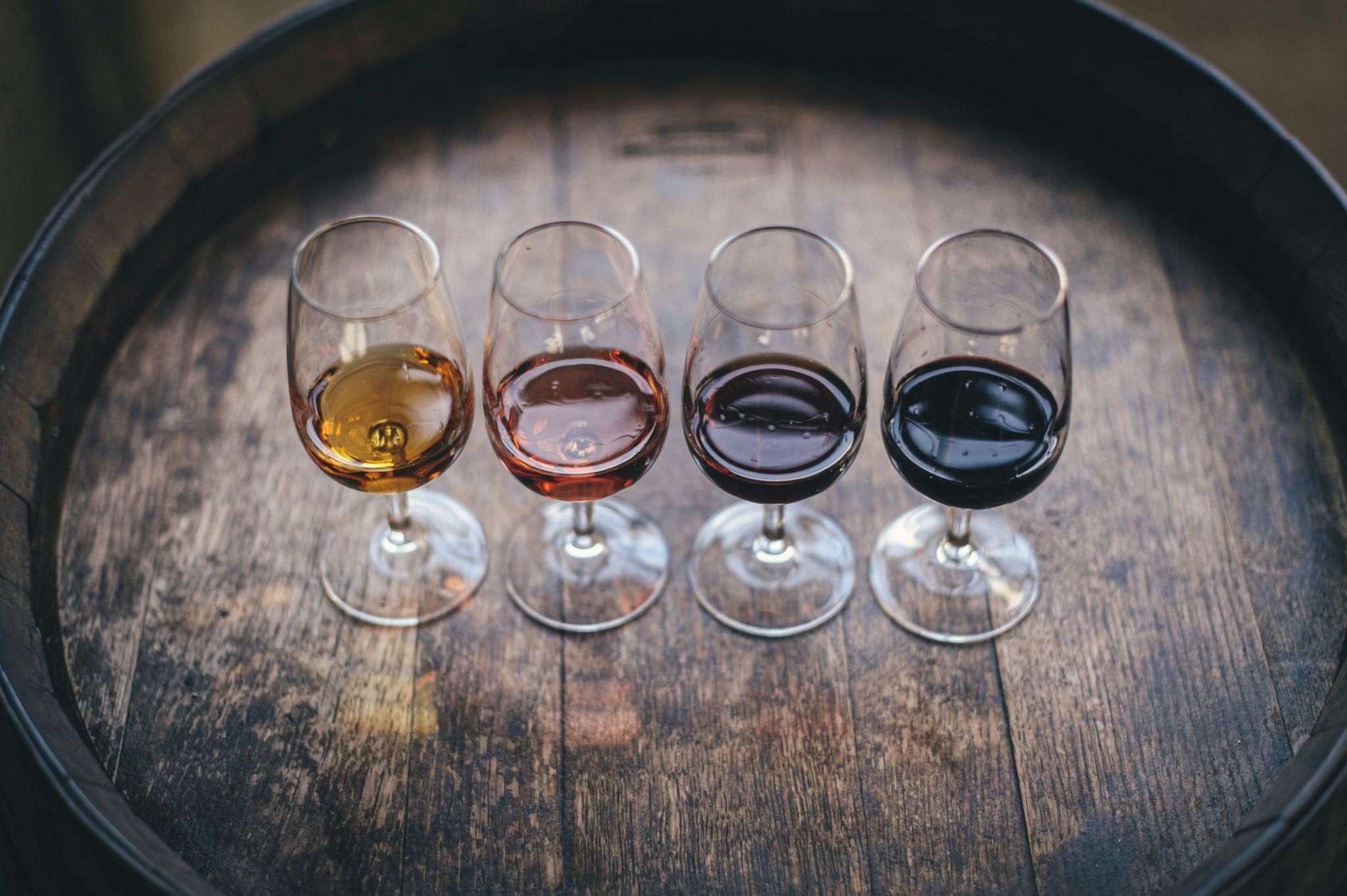
The term "En Primeur" has its roots in French tradition and translates literally as "in first." It emerged as a marketing system that allows acquiring wines before they are bottled and made available on the market. This practice originated in the 18th century when Bordeaux producers in France sought an effective way to sell their vintages still in barrels.
The essence of En Primeur lies in the opportunity to invest in high-quality wines even before they are officially released. In this guide, we will explore the process behind it.
How does the En Primeur system work?
The En Primeur cycle begins shortly after the harvest, when wine producers, especially in regions like Bordeaux, Burgundy, and other parts of France, present their young wines to merchants and critics in exclusive tastings known as "primeurs." Although no precise figures represent the division of barrels for En Primeur wines and external sales, the general estimate is that between 30% and 50% of production is reserved for "En Primeur" sales. During these tastings, participants can evaluate wines from the recently produced previous vintage, usually with 12 months of aging, and determine their aging potential and quality.
After the tastings, producers offer these wines to traders and importers, who then market future harvests to consumers worldwide. At that moment, customers can buy these wines still in barrels, with the promise of delivery after the bottling and maturation process, which usually occurs at least 18 months after the tasting.
For producers, this is an opportunity to generate capital quickly, helping to finance viticultural operations and ensuring early revenue for future investments. Additionally, the system allows producers to assess vintage demand and adjust production accordingly.
For consumers, buying En Primeur wines offers exclusive access to high-quality vintages before they become available on the general market. This allows consumers to secure the world's most coveted wines, often at more affordable prices than those found after the official release.
The main En Primeur wine regions
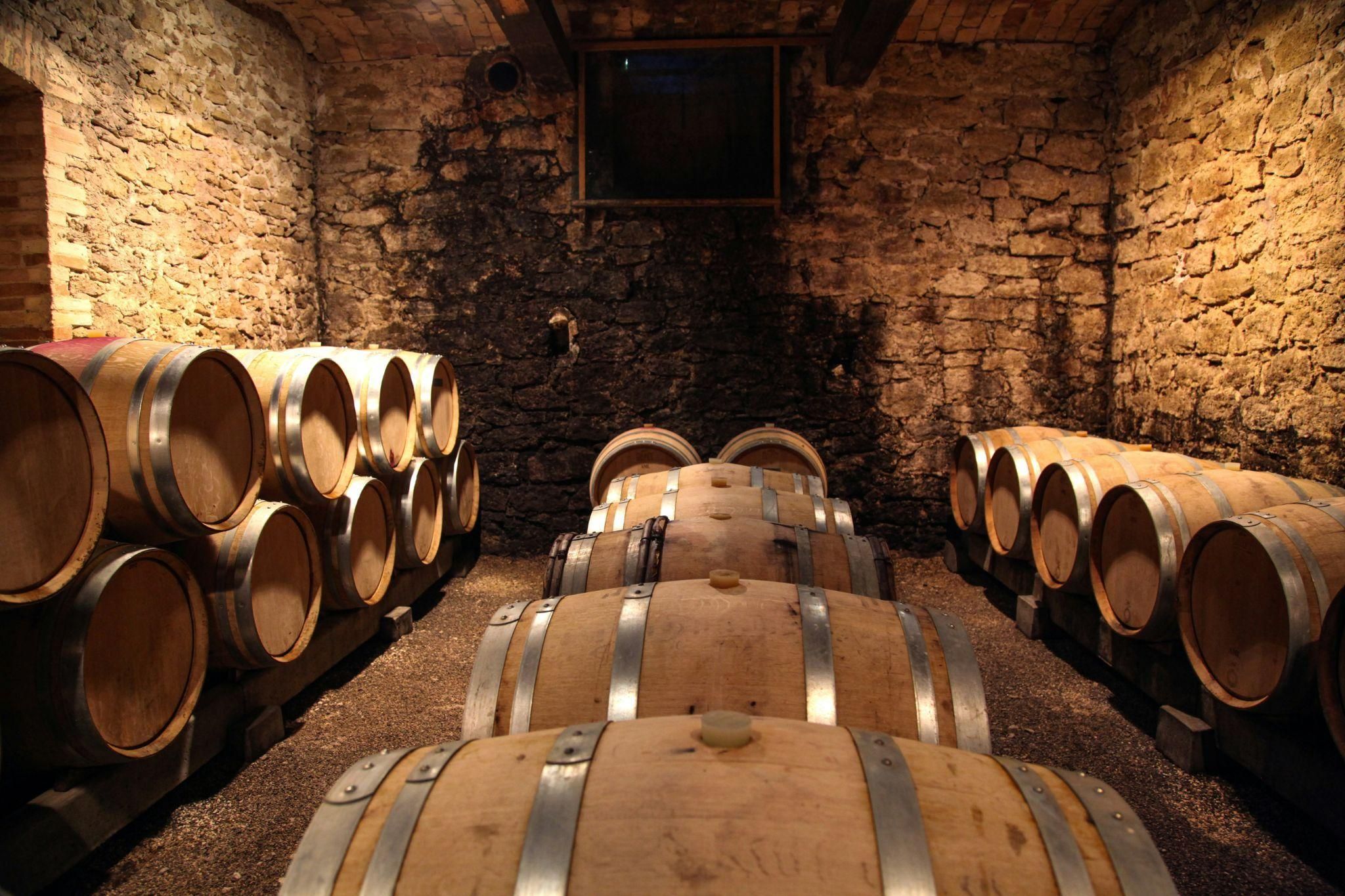
The En Primeur system is not exclusive to a specific region; in fact, it is practiced in various wine regions around the world. Let's look at the main types of En Primeur wines and the regions that adopt this method.
Bordeaux, France
Bordeaux is the birthplace of the "En Primeur" system. Bordeaux wineries on the left and right banks release their "En Primeur" vintages yearly, allowing consumers to acquire wines from Médoc, Saint-Émilion, and Pomerol. The dominant grape varieties in this region include Cabernet Sauvignon, Merlot, Cabernet Franc, and Petit Verdot.
Burgundy, France
In Burgundy, producers present their wines from the Côte d'Or regions, including appellations like Côte de Nuits and Côte de Beaune. Burgundy's En Primeur wines are mainly produced from Pinot Noir grapes for reds and Chardonnay for whites, with some exceptions for other local varieties.
Tuscany, Italy
Although less widespread than in some French regions, the En Primeur system is also practiced in some parts of Italy, mainly in the Tuscany region. Here, wines like Brunello di Montalcino are offered "En Primeur." Sangiovese grapes, the principal variety of Tuscany, dominate these wines.
Recommendations for storing En Primeur wines
Proper care of En Primeur wines before bottling is crucial to preserve their quality and aging potential. Here are some important recommendations that winemakers should keep in mind when storing these wines in barrels:
Ideal storage conditions
The ideal storage conditions for En Primeur wines are similar to those recommended for bottled wines. This includes a constant temperature between 10°C and 15°C, with relative humidity of about 70%. Maintaining a stable temperature is essential to avoid problems affecting wine quality.
Control of light and oxygen exposure
Excessive exposure to light can cause wine deterioration, leading to loss of color and flavor. Therefore, storing barrels in a dark location or with controlled lighting is essential. Additionally, it is crucial to minimize oxygen exposure, as this can accelerate the oxidation process and compromise the wine's freshness and complexity.
Attention to potential defects
During storage, winemakers should be attentive to any signs of potential defects in the wine. Detecting these problems allows measures to be taken to correct them in time to preserve wine quality.
Tips for selecting En Primeur wines with good aging potential
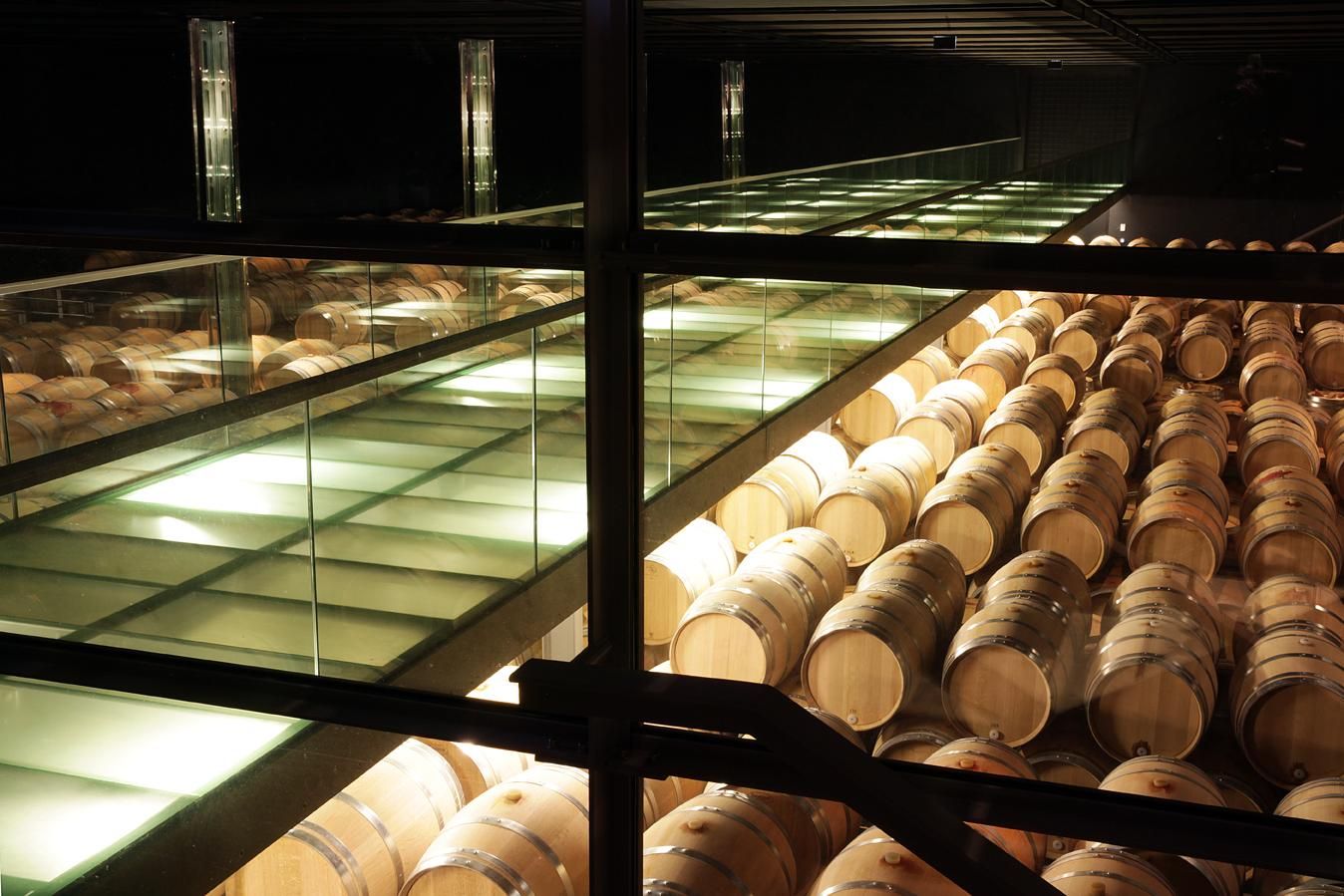
Choosing wines with aging potential is a valued skill for collectors and investors looking to build a diverse cellar with financial return potential. Here are some helpful tips to help you identify the aging potential of an en primeur wine:
Know the region
Understanding the wine-producing region where the wine comes from is crucial. Regions with a history of producing long-lived wines, such as Bordeaux, Burgundy, and Piedmont, often produce wines with great aging potential.
Evaluate the vintage
Each vintage is unique and can significantly influence a wine's aging potential. Generally, vintages considered exceptional, with ideal weather conditions during the grape growing cycle, tend to produce wines more conducive to aging. However, it is important to remember that not all exceptional vintages produce long-lived wines and vice versa. Careful analysis of climatic conditions and each vintage's characteristics can provide valuable insights into a wine's aging potential.
Pay attention to grape varieties
Certain grape varieties and wine styles have a natural predisposition for aging. For example, red wines with varieties like Cabernet Sauvignon and Nebbiolo often have good aging potential due to their tannic structure and acidity. Similarly, white wines made with Chardonnay may age well due to their aromatic complexity and vibrant acidity.
Consult expert ratings
Consulting expert ratings can offer valuable insights into the aging potential of a specific wine. Detailed reviews addressing characteristics such as structure, concentration, complexity, and balance can help you make informed decisions when selecting wines that will build both your aging cellar and your investment portfolio. Contact our experts for full support.
Is it worth investing in En Primeur wines?
Investing in En Primeur wines offers a range of advantages and unique opportunities that may be attractive to collectors and investors. Let's explore some of those:
Attractive price
One of the main reasons many choose to buy En Primeur wines is the attractive price offered during the pre-release period. Those wines are generally sold at lower prices than those available after the official market release. This can represent a significant opportunity for savings for buyers, making it a great investment option.
Availability guarantee
By buying En Primeur wines, buyers ensure access to desired vintages even before they are available on the market. This is relevant for highly sought-after wines with limited supply after the official release.
Appreciation potential
En Primeur wines represent an opportunity for potential appreciation over time. Buying wines from promising vintages at lower prices and waiting for their value to increase as they age and become rarer is an attractive investment strategy for many.
It becomes clear that this traditional practice plays an important role in the global fine wine market, from ensuring attractive prices and availability to the potential for appreciation. Currently, with the increase in global wine production and growing consumer interest in high-quality wines, demand for En Primeur wines is on the rise. With technological advancements, purchasing these wines has become more accessible than ever, allowing more people to access early wines as new wine-producing regions emerge and consumers seek diversity and innovation in their portfolios.