A dive into the fine art of wine tasting
A dive into the fine art of wine tasting
July 1, 2024
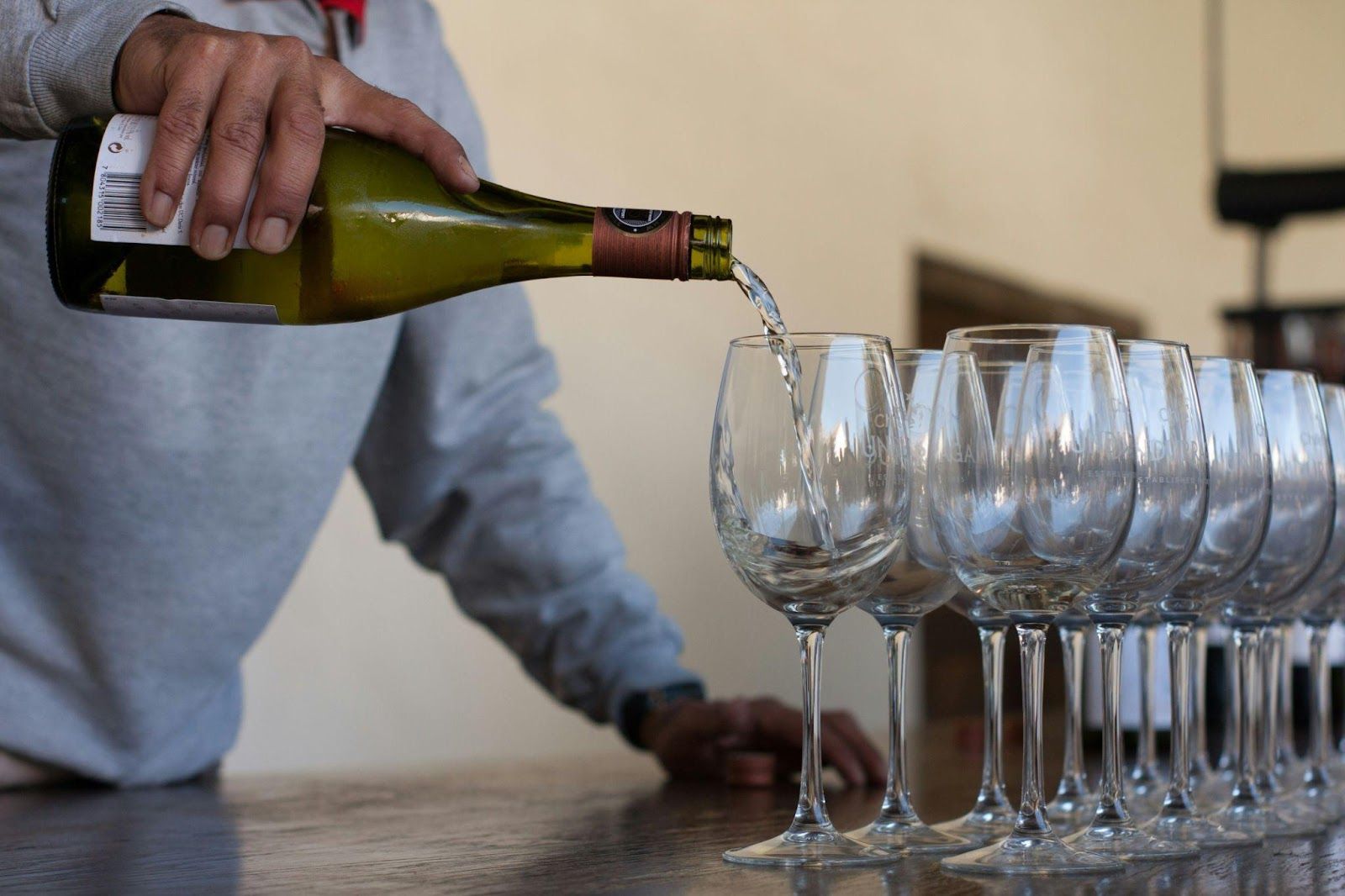
Tasting a fine wine is a sensory experience that involves all senses, from the attractiveness of the wine’s color in the glass to the sense of smell that allows us to identify aromas and, finally, on the palate, where we confirm the flavor. However, a large part of the pleasure of wine tasting lies in pairing, the art of perfectly combining the wine with a meal, where both complete each other for a sensory experience.
What are the different sensory aspects of wine tasting?
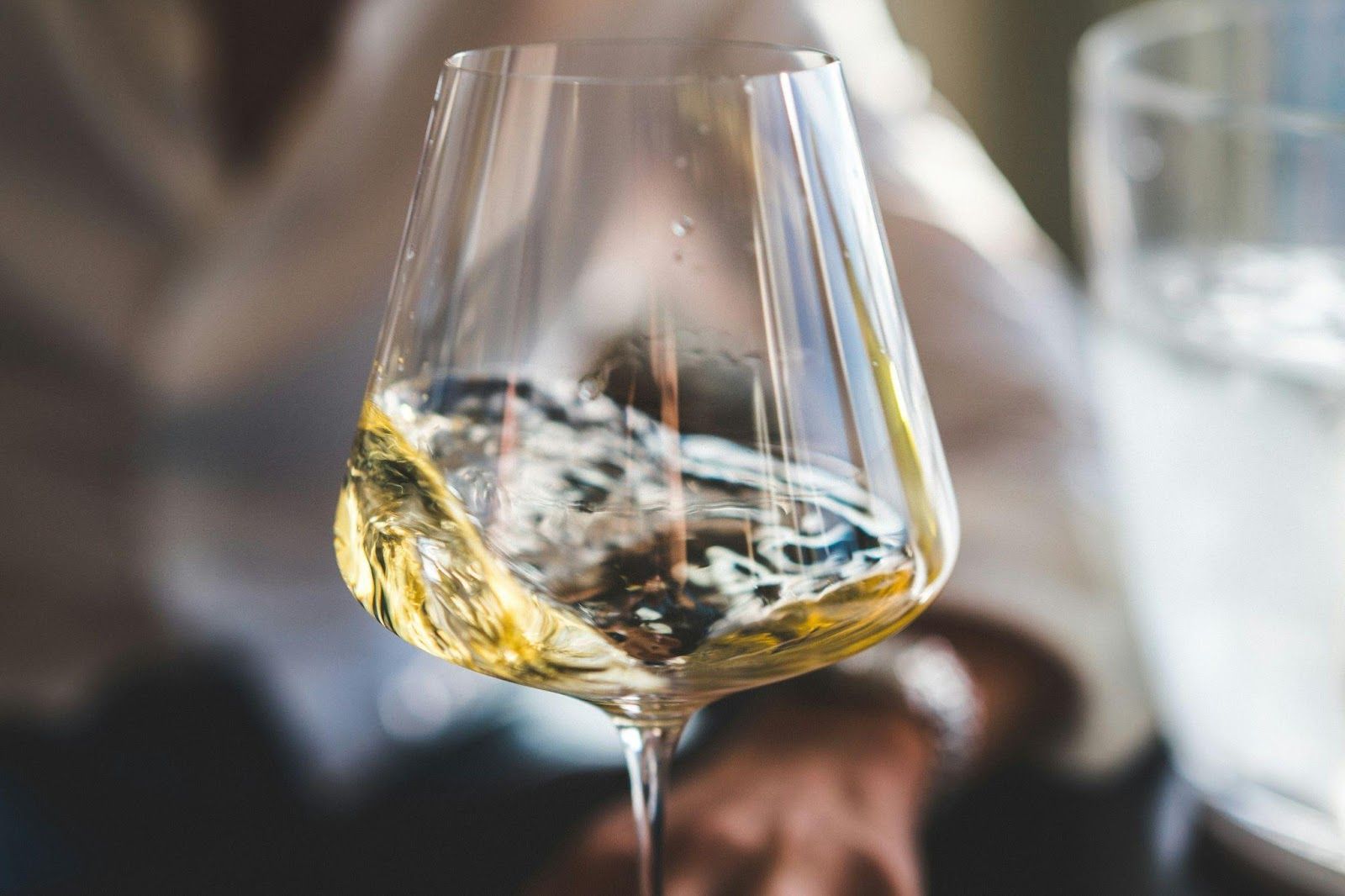
During a wine tasting, we experience a multisensory journey: vision, smell, and taste play equally important roles, complementing and enriching the tasting.
Vision
Our first impression of a wine occurs visually when we observe its color and brightness. The wine's hue can vary from purple-red to intense ruby red in red wines, while in white wines, it ranges from light yellow to golden yellow, offering clues about its age, grape variety, and even its production process. A vibrant color indicates freshness and youth, while earthier tones suggest complexity and maturity.
Smell
The aroma of a wine is the discovery of the flavors that are about to emerge. By smelling the wine before swirling the glass, we can perceive distinct aromas that will evolve with the wine's oxygenation. Gently swirling the glass causes the wine to come into contact with oxygen and release its aromas. By bringing the nose closer, we can discover new aromas, ranging from ripe fruits, subtle spices, and floral to earthy notes. The sense of smell prepares the palate for the complete sensory experience that is about to happen.
Palate
On the palate, we explore the richness and depth of flavors, discerning the complexity of the wine, detecting acidity and tannins, and the unique personality of each wine.
For example, wine from an esteemed winery, Cos d'Estournel, on the palate, proves to have an opulent texture and velvety tannins with a blend of blackberry, dark chocolate, and espresso flavors. This combination allows us to achieve an impeccable balance and a long, lingering finish.
Why is pairing wine with the appropriate wine glass important?
To have a great sensory experience, it is essential to use appropriate glasses for wine tasting, which will help concentrate the aromas and direct the wine to the correct areas of the palate. Below are 4 wine and glasses pairing examples that shall enrich your experience.
- Burgundy Glass: Characterized by a wide bowl and a narrower mouth, the glass for wines from the Burgundy region is designed to highlight the complex and delicate aromas of wines from this region. Its wider shape allows aromas to develop, while the narrow mouth concentrates these aromas, ensuring an optimal sensory experience.
- Bordeaux Glass: With a taller and narrower bowl, the glass for Bordeaux wines is designed to enhance the structure and tannins in red wines. The taller shape allows for greater aeration, while the narrow mouth directs the wine to the front of the tongue, where fruity flavors are most perceptible, making the tasting experience more balanced.
- White Wine Glass: Having a smaller and narrower bowl than red wine glasses, the glass for white wine is designed to preserve the lower temperature and enhance the delicate and fresh aromas of white wines. Its narrower shape concentrates the aromas and temperature, ensuring a refreshing and balanced tasting experience.
- Flute Glass: The glass for sparkling wine is characterized by an elongated and narrow bowl designed to preserve the bubbles and enhance the delicate aromas of sparkling wines. Its narrow shape allows bubbles to develop vertically, while the narrow opening concentrates the aromas, providing a good-tasting experience.
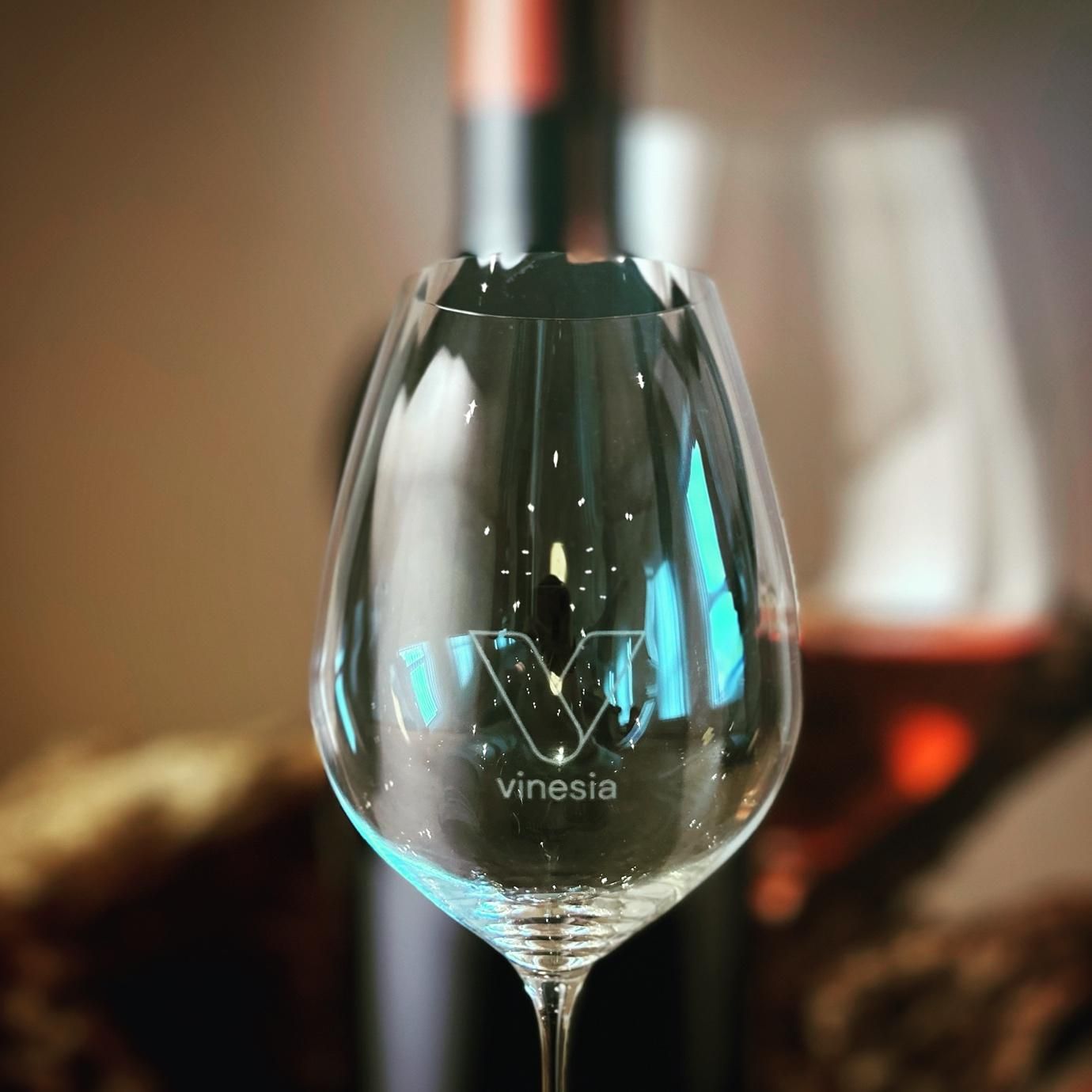 An ideal wine glass for Bordeaux wines made with Merlot and Cabernet Sauvignon
The influence of temperature and the role of decanting in fine wine tasting
Temperature
The temperature of the wine is an essential factor in flavor perception and tasting experience. Red wines, for example, are usually served slightly above room temperature, between 16°C and 18°C, to enhance fruity flavors and soften tannins. On the other hand, white and rosé wines are generally served cooler, between 8°C and 12°C, to preserve their acidity and freshness.
Decanting
Decanting is a process that involves transferring the wine from its original bottle to a decanter, allowing the liquid to come into contact with oxygen, promoting wine oxygenation, which can soften tannins and release more complex aromas and flavors. Additionally, oxygenation can help open up aromas that may have developed during the wine aging process. The result is a more harmonious and complex beverage, ready to be tasted.
Our pairing suggestion for the perfect wine-tasting
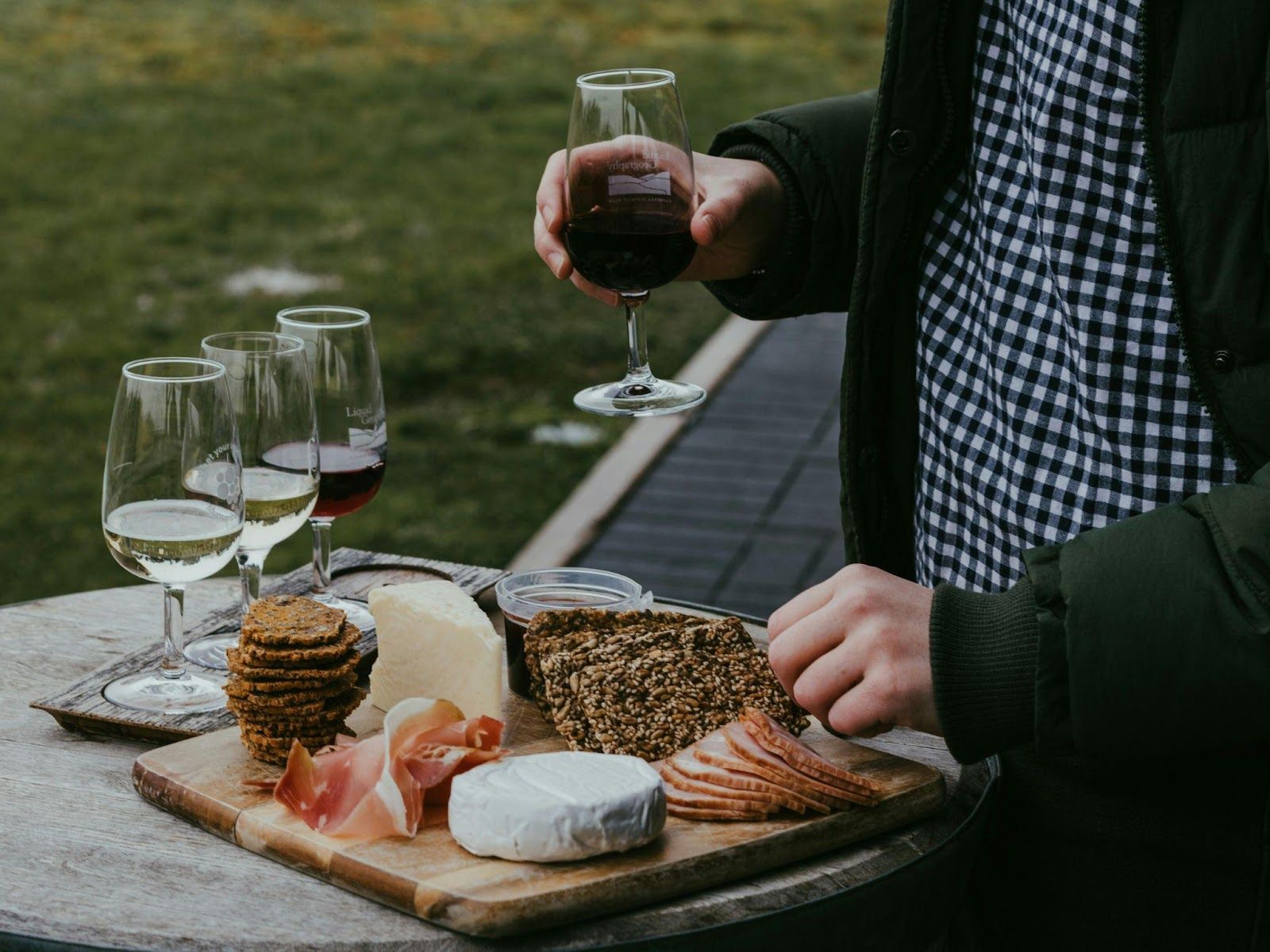
Wine and food pairing offers great possibilities for combinations. While traditional pairings are always a safe choice, discovering pairings beyond the ordinary allows us to explore new flavors and have new experiences.
We recommend a wine from our portfolio with a pairing that lets us step out of the traditional. Chandon de Briailles, 2020, Corton Charlemagne Grand Cru, a white wine from Burgundy, produced from the Chardonnay variety in one of the region's most renowned Grand Cru appellations. We recommend pairing the wine representing complexity, freshness, and elegance with veal, lobster, morel mushrooms, or a delicate fish in sauce.
While traditional pairings often suggest matching white wines with seafood and light pastas and red wines with meats and rich sauces, the versatility of Chandon de Briailles 2020 allows us to explore a new possibility, such as pumpkin ravioli with butter and sage sauce.
The natural sweetness of the pumpkin complements the acidity and complex flavors of Chandon de Briailles, 2020, Corton Charlemagne Grand Cru, creating harmony between the dish and the wine. The butter sauce provides the dish with a rich texture and smooth flavor that will enhance the citrus aromas and mineral notes present in the wine. Meanwhile, the sage adds freshness to the dish and the overall experience.
Explore other creative pairings and experiment with different foods, sauces, and ingredients. The possibilities are endless, but it's essential to consider various characteristics of both the wine and the food plate. Pair wine and food with similar flavor intensities, wines with acidity that complements or contrasts with the acidity of the food, and remember to consider the texture of the food when choosing the wine. You might discover new combinations that elevate the wine and the food taste.
Moreover, when it comes to new tasting experiences, the future holds some innovations for us. Technology, increasingly present in our lives, allows us to participate in online tastings to explore wines from around the world from the comfort of our homes, connecting with producers and wine experts in simple and accessible ways. Dare to try?
Browse our portfolio and discover the labels that captivate your palate and become excellent investment options.